 Shipping & Returns



Sustainable Life
4 innovative and environmentally friendly leather alternatives
März
 Reading time: 5 min
Leather is seen by many as a high-quality and durable material. But what many people don't know is that leather is one of the most environmentally harmful materials in the fashion industry. Harmful chemicals are used during production and an enormous amount of water and energy is consumed. While artificial leather can generally be classified as less harmful than real leather, it also has a miserable ecological footprint.
It is therefore more important today than ever before to find a sustainable alternative to real and artificial leather. But there is hope: below we present 4 innovative and environmentally friendly leather alternatives that have the potential to revolutionize the fashion industry.
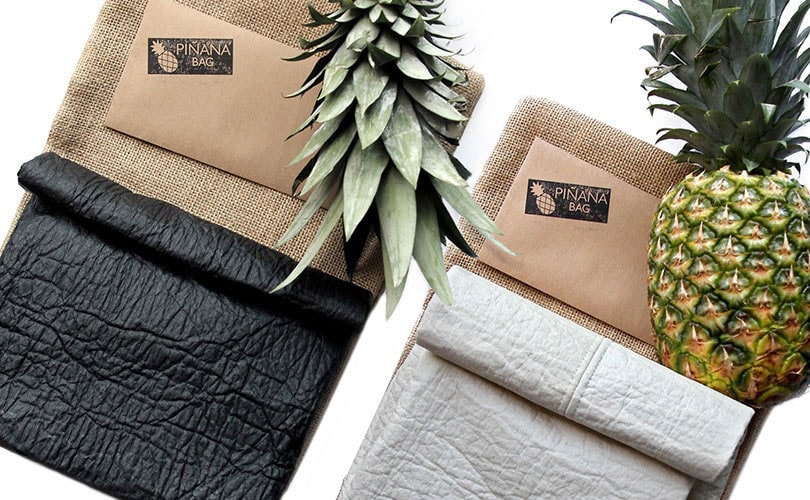
2017 Fashionunited.de; Sustainable textile innovations: Piñatex, the vegan alternative to leather
1. leather alternative made from pineapple - Piñatex®
What is Piñatex®?
Piñatex® is made from pineapple leaves, a by-product of the pineapple industry in the Philippines. Every year, 13 million tons of waste are produced from the pineapple harvest, 40,000 tons of which are pineapple leaves that are normally incinerated or composted. Now, instead of being wasted, they are reused to produce a leather alternative.
How is Piñatex® manufactured?
The raw material for the production of Piñatex® is pineapple leaf fiber, a waste product from the pineapple harvest in the Philippines. These fibers are extracted from the leaves, dried and processed into a fiber. In Spain, the fiber is tanned and finished with a sealant made from petroleum-based resin.
Why is Piñatex® better than real leather?
The raw material is a by-product of the pineapple industry, which is why no additional water or energy resources need to be used for cultivation. But the material is not only vegan and more ecologically sustainable than real leather, it also has a positive social impact: Thanks to Piñatex, pineapple farmers benefit from an additional source of income.
2nd leather alternative made from apples - ApplePeel™
What is ApplePeel™?
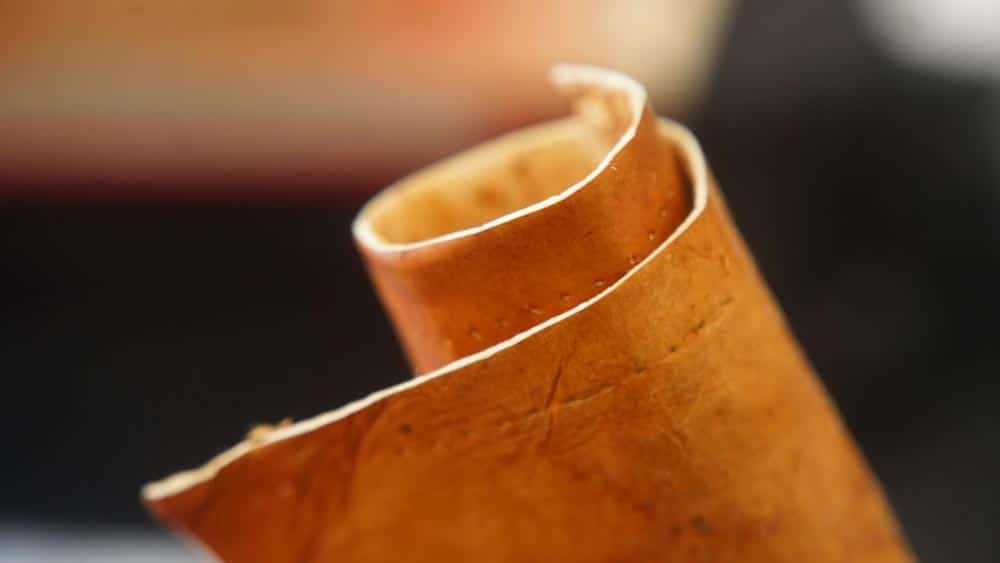
ApplePeel™ is one of the most promising alternatives to leather and is made from the leftovers of apple juice production in Italy.
How is ApplePeel™ made?
The apple residues from apple juice production, i.e. stems, fibers and peel, are dried, processed into a fine powder and then mixed with a biodegradable plastic and a solvent.
Why is ApplePeel™ better than genuine leather?
In contrast to real leather, no toxic by-products are produced during the manufacture of ApplePeel™, no valuable resources are used and the leather alternative is 100% biodegradable. The material is also produced without the use of animals, making it a more sustainable and vegan alternative to real leather.
Click here for products from ApplePeel™
2020 University of Vienna
3. leather alternative from mushrooms
What is that?
The mushroom leather alternative consists of the mycelium of forest mushrooms, i.e. their root network. The appearance of mushroom leather is very similar to real leather, as it has grown naturally and is therefore irregularly colored. In addition, the fabric can be grown in any size and any conceivable pattern can be created on its surface. This means that snake or crocodile leather can also be imitated.
How is the alternative made from mushrooms?
Waste products such as corn husks are added to the mushroom roots, which are covered in mushrooms after a few days. This mushroom mass can then be pressed into shape, dried and tanned.
Why is the mushroom alternative better?
Unlike real leather, no hazardous chemicals are needed to produce the innovative mushroom leather. It also produces very little waste as it can be grown to size and can be completely composted after use.
Vegea; Vegan alternatives to leather
4. the grape alternative
What is the leather alternative made from grapes?
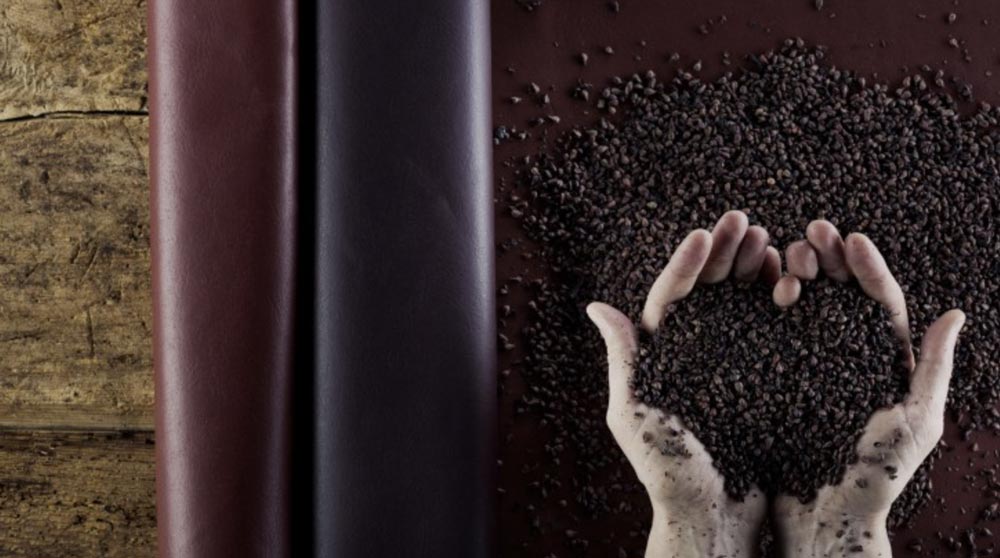
To create the leather alternative from grapes, the leftovers from wine production, i.e. the skins, stems and seeds of the grapes, are used. Every year, 27 billion liters of wine are produced, resulting in 7 billion tons of by-products. Some of these by-products are already used as fertilizer or animal feed. Now they can be further processed into a sustainable leather alternative.
How is it produced?
The material is produced by drying the skins and stems of the grapes, extracting organic oil from the seeds and then combining these components with non-toxic chemical substances through an innovative manufacturing process.
Why is it better than real leather?
The material is created by upcycling a by-product of the wine industry, is produced animal-free, contains no polluting chemicals and wastes no water. Unlike real leather, it is therefore vegan, sustainable and can also be recycled.